Blog
Putting DISC into practice.
Articles on DISC, Emotional Intelligence and working better together, for practitioners, L&D teams and anyone running a development program.

Latest articles

Emotional Intelligence
Emotional Intelligence Skills: What to Develop, How to Spot Them and Questions to Ask in Interviews
Emotional intelligence is the ability to recognise, understand, and regulate emotions in yourself and others. While many people assume it is simply about “being nice” or having good social skills, it is a vital psychological concept. Today, EI is a proven predictor of leadership effectiveness, workplace performance, and overall well-being. That is why HR and […]

effective communication
Why Communication Training Fails, and Why Your Team’s DISC Communication Styles Matter
Key takeaways I’ve spent more than 20 years coaching leaders and facilitating teams, and the same complaint comes up almost everywhere: people don’t feel heard, and they don’t feel they’re hearing what matters. The research backs this up. Gallup’s research on leadership communication, published in November 2026, found that only 16% of US employees strongly […]
DISC & Emotional Intelligence
DISC Personality Types Explained: How the 4 Styles Work, Communicate and React Under Pressure
Key takeaways DISC personality types are the four behavioural styles in the DISC model: Dominance, Influence, Steadiness and Compliance. The DISC model is a framework that describes observable workplace behaviour: how a person tends to make decisions, communicate and respond to challenges. Despite the popular label, DISC measures behaviour, not fixed personality. That difference decides […]

Uncategorized
DISC and Hiring: What the Model Can and Can’t Tell You
Every week, hiring managers search some version of the same question: can we use DISC for hiring? It usually comes from a good place. A bad hire has just cost the team a year, or a technically brilliant candidate turned out to be unmanageable, and behavioral assessment looks like the missing filter. The honest answer […]

Uncategorized
Reading Your Buyer’s Style in the First Five Minutes
In our guide to selling to DISC styles, we made the case that buyers buy in four recognizably different ways and that most lost deals are style collisions, not product failures. Which raises the obvious practical objection: it’s all very well knowing how a C buyer decides, but your prospects don’t arrive with a profile […]

Behavioral Assessments
DISC Team Building Activities That Actually Change Behaviour
Team building has a reputation problem, and it earned it honestly. The trust falls, the escape rooms, the raft made of barrels — activities that lift the mood on the day and change nothing by Monday, because they were never connected to how the team actually works. People enjoy them, roughly, and trust them not […]

Uncategorized
The Reflection Loop: How Insight Becomes Behaviour Change
Earlier this month we made an argument that resonated with a lot of people in learning and development: assessment insight fades — predictably, on a schedule — because the industry built the measurement layer and never built the application layer. That piece named the problem. This one names the mechanism that solves it, because the […]
Coaches, Consultants & Trainers
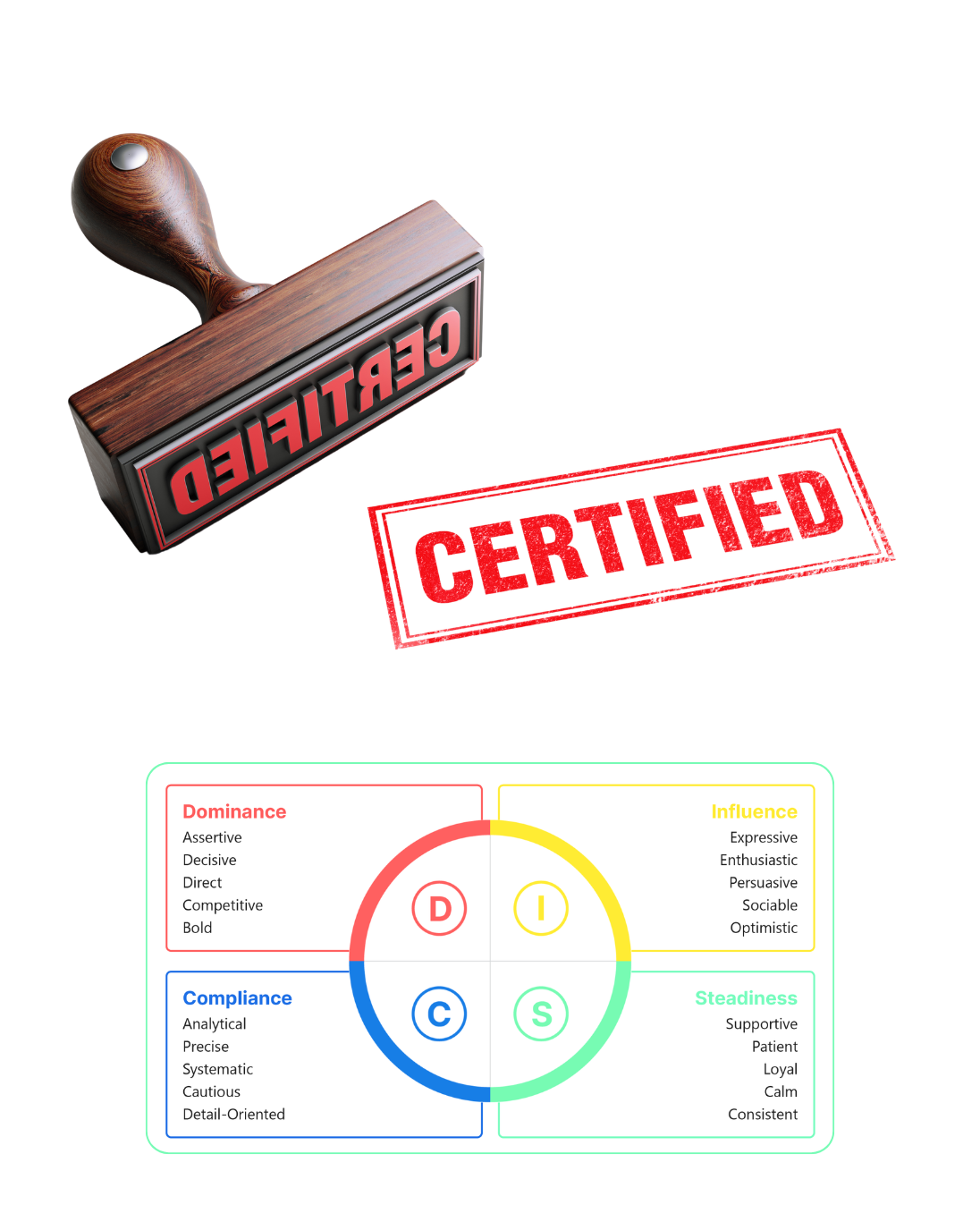
How to Become DISC Certified: What It Involves and What It Unlocks
If you are a coach, consultant, or HR professional, the question of DISC certification usually arrives the same way: a client engagement that would clearly benefit from behavioural assessment, and the realisation that you would rather deliver it yourself — credibly, independently, and as part of your own offer — than refer it out. What […]

Team & Leadership Development
Running a Team Workshop with DISC: A Practical Framework
There are two kinds of DISC team workshop. In the first, a team spends a pleasant day discovering their styles, laughing at how accurately their colleagues have been described, and leaves with a warm glow and a set of reports. In the second, the same team leaves with something operational: a shared picture of what […]

DISC Assessments & Tools
Leading Each DISC Style: A Manager’s Guide
Most managers lead the way they would like to be led. It is rarely a conscious decision — it simply feels like good management, because it is precisely the management that would work on them. The high-D manager gives everyone autonomy and stretch and cannot understand why half the team seems rattled. The high-S manager […]

Behavioral Assessments
DISC and Emotional Intelligence: Why You Need Both
The world of people development has, broadly, two camps. One reaches for behavioural models — DISC most commonly — and talks about styles, preferences, and profiles. The other reaches for Emotional Intelligence and talks about self-awareness, empathy, and regulation. Each camp tends to regard the other’s toolkit as the lesser one: the EI people find […]

Behavioral Assessments
Why Assessment Insight Fades and What Makes It Stick
Everyone in learning and development knows this moment, even if nobody enjoys naming it. The workshop lands. The reports are uncannily accurate. People talk about their styles over lunch, laugh at how precisely their colleagues have been described, and leave genuinely energised. Two weeks later, the reports are in a drawer, the language has faded […]
Next