Writing
Writing on behavioral assessment. Argument, not content marketing.
Pieces worth the time of somebody who already knows this field — practitioners, L&D leads, and buyers who have been disappointed before.
The editorial line
Workplace behavior articles: three rules we write to
Say something a competitor could disagree with. A piece nobody could argue with is a piece nobody needed. If it would sit unchanged on any vendor's site, it does not go on ours.
Write for people who already know. The audience is practitioners and L&D professionals with years behind them. "What is DISC" content is written for search engines, and it reads that way to everyone else.
Be willing to concede. Including where our own instrument is limited, where the evidence is thin, and where a competitor does something well. It is the only thing that makes the rest credible.
Planned
What we intend to write
Why everyone recognizes themselves and nothing changes
The gap between insight and application, and why it is a design problem rather than a motivation problem.
What you can and cannot re-measure after twelve months
Behavioral style is stable. Emotional intelligence is not. Getting that wrong is how development programs end up reporting noise as progress.
The five minutes before a difficult conversation
Where behavior actually changes, and why almost no development product is present for it.
What a certification is worth after the certificate
On day rates, deliverables, and the weeks of unpaid design work nobody quotes for.
Reading a psychometric claim properly
What reliability coefficients mean, what they do not, and the questions to ask any vendor including us.

DISC & Emotional Intelligence
Which DISC Profile is Best for Communication?
If you’ve been around here a while, you’ll probably have guessed our answer to this question already. The truth is, no DISC style is better for communication than others. No matter whether you’re a chatty Influence type, an agreeable Steadiness type, an assertive Dominance type, or a measured Compliance type, there’s no single style that […]

Team & Leadership Development
Unify your company culture with DISC
Updated November 23, 2022 With 77% of people stating that they would consider an organisation’s company culture before applying to a job, and a toxic company culture being the top reason many people recently left their jobs, company culture is more important than ever. Yet, the culture in a company is hard to define and […]

DISC & Emotional Intelligence
Strengths and Limitations of the Compliance style (C)
This week’s DISC behavioural style focuses on the Compliance (C) style. By understanding the strengths, limitations, and behavioural preferences of each DISC profile, you can communicate more effectively, reduce friction, and build stronger working relationships across your team. What Is the Compliance (C) Personality Type? Compliance is one of the four behavioural styles identified by […]

DISC & Emotional Intelligence
Strengths And Limitations of the Steadiness Style (S)
This DISC behavioural style tip from The DISC Group is all about people with the S style – the Steadiness style. Here are the strengths, limitations, behaviours, and growth opportunities of individuals with the DISC Steadiness style. About the Steadiness personality style Steadiness is one of the DISC profiles inspired by William Moulton Marston’s 1928 […]

DISC & Emotional Intelligence
Strengths and Limitations of the I Style
This DISC behavioural style tip from The DISC Group is all about people with the I Style – the Influence style. Get the best from your meetings and conversations by understanding your colleagues’ behavioural preferences and priorities using the DISC assessment. About the Influence DISC profile Inspired by DISC theory put forward by William Moulton […]

DISC & Emotional Intelligence
Strengths & Limitations of the D Style
This DISC behavioural style tip from The DISC Group is all about people with the D Style – the Dominance style. Read on to learn the strengths, limitations, behaviours, and growth areas for people with this profile. About the Dominance style The Dominance or Type D personality style is the first of the four DISC […]
DISC & Emotional Intelligence
What are the Differences Between Myers-Briggs and DISC?
As two of the most popular psychometric tests in the world, it’s likely that many people will undergo a Myers-Briggs or DISC assessment at some point in their careers. But what are the differences between these two personality assessments, and which is better for use in the workplace? In this article, we’ll look closely at […]
Behavioural Intelligence in the Workplace
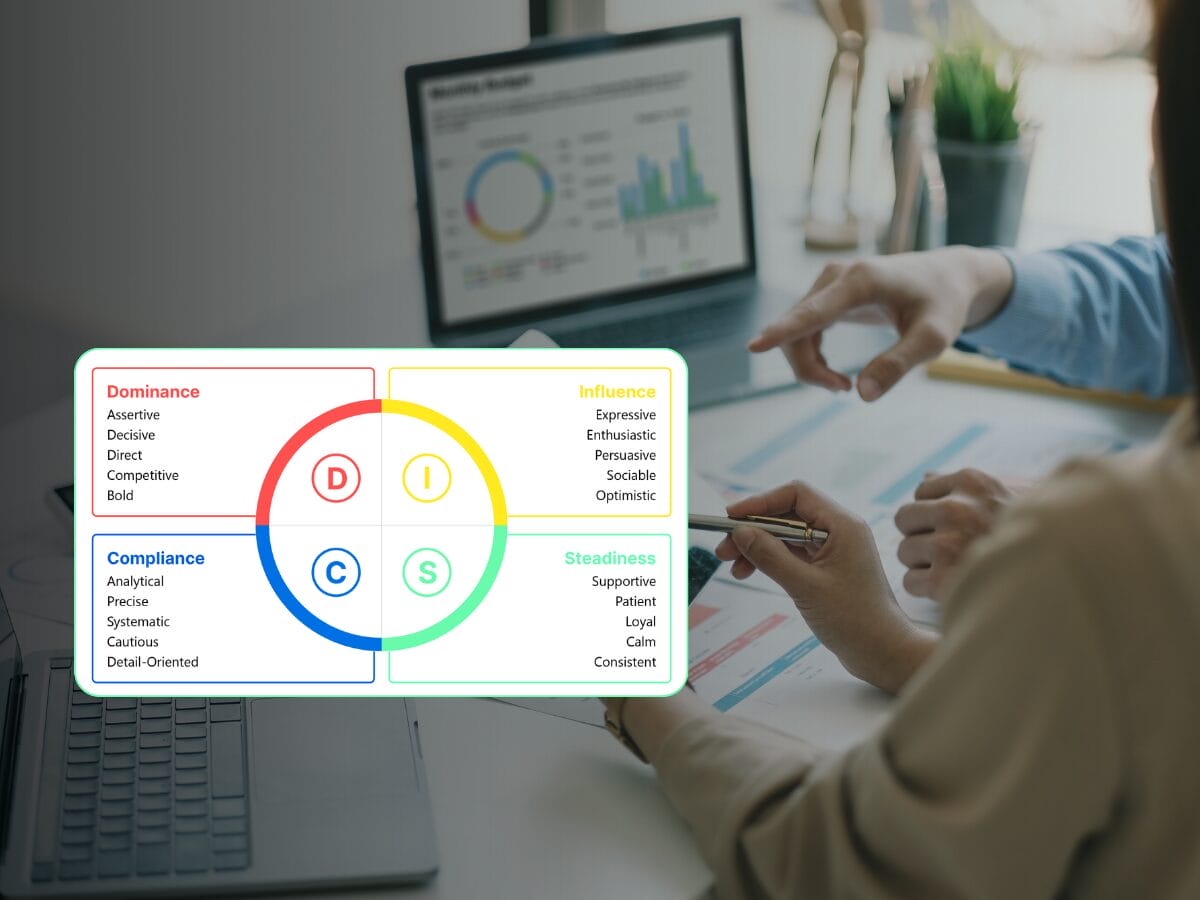
Measuring the ROI of DISC Assessments
Any organisation considering using DISC to assess its employees’ personalities will want to know whether the price of the assessments will be justified by the results. While there’s no doubt that psychometric assessments such as the DISC assessment can be extremely beneficial, both in the workplace, and to individuals’ wider lives, it can be difficult […]
DISC & Emotional Intelligence
The Benefits of Using DISC
The Benefits of Using DISC The DSC behavioural model and assessments are used worldwide in thousands of organisations of all sizes, major governmental agencies, and both FTSE and Fortune 500 companies. The benefits of using DISC Organisations and individuals who use DISC experience improved communication, more effective team dynamics, reduced conflict, more productive sales conversations […]
DISC & Emotional Intelligence
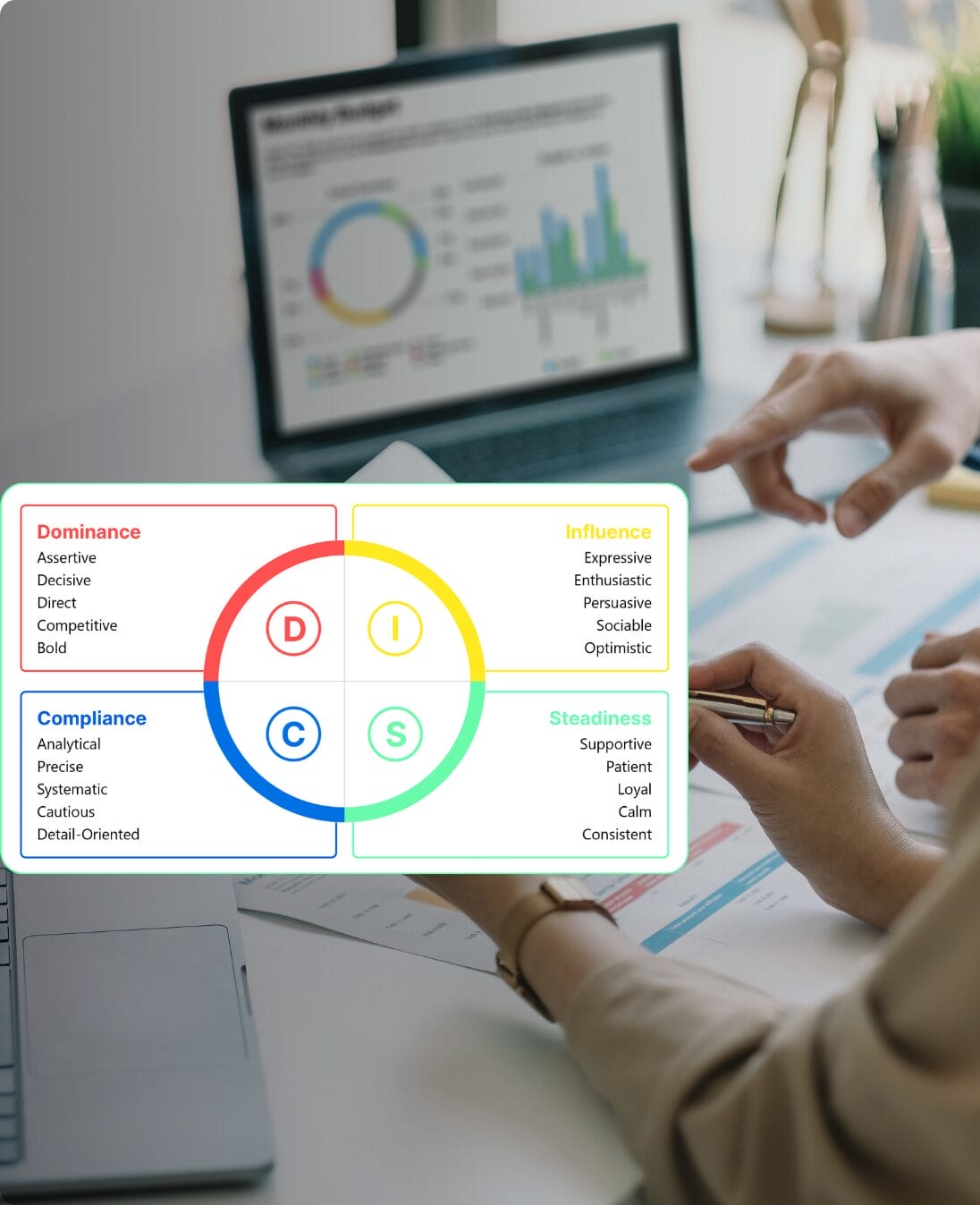
Goals and fears of the Compliance (C) Style
This week’s DISC behavioural style tip from The DISC Group is all about the goals and fears of people with the C Style – the Compliance style. Get the best from your meetings and conversations by understanding your colleagues’ behavioural preferences and priorities. Goals of the C Style The Compliance style concerns itself more with […]
DISC & Emotional Intelligence
Goals and fears of the Steadiness (S) Style
This week’s DISC behavioural style tip from The DISC Group is all about the goals and fears of people with the S Style – the Steadiness style. Get the best from your meetings and conversations by understanding your colleagues’ behavioural preferences and priorities. Goals of the S Style The Steadiness Style, as sung by Aretha […]

DISC & Emotional Intelligence
Goals and fears of the Influence (I) Style
This week’s DISC behavioural style tip from The DISC Group is all about the goals and fears of people with the I Style – the Influence style. Get the best from your meetings and conversations by understanding your colleagues’ behavioural preferences and priorities. Goals of the I style The energetic and enthusiastic Influence Styles want […]
The honest alternative
If this is not resourced, do not launch it
A blog with five posts and a date eighteen months old says more about a company than no blog at all — and it is the first thing a careful buyer checks.
Two pieces a quarter that people forward is a better program than twelve nobody finishes. If the cadence cannot be sustained, this page should be held back and the effort put into the evidence summary and the case studies, which do more work per hour spent.
Next