


Earlier this month we made an argument that resonated with a lot of people in learning and development: assessment insight fades — predictably, on a schedule — because the industry built the measurement layer and never built the application layer. That piece named the problem. This one names the mechanism that solves it, because the mechanism is specific, well understood, and almost never built into how organisations develop people.
Insight becomes behaviour change through one route: reflection, repeated. Not more insight. Not better insight. The same insight, revisited in small pieces, against the real situations of a working week, until noticing becomes automatic. Everything else — the workshops, the reports, the models — is raw material for that loop. Without the loop, it is inventory.
The loop, and the half of it we skip
The cycle behind all durable learning from experience runs: act, reflect, extract the insight, try something different, act again. It is how anyone actually got good at anything complex — management included. What is striking about corporate development is which half of the loop it funds. Organisations invest heavily in the insight-delivery stage — the assessment, the training day, the report — and almost nothing in the reflection stage that converts any of it into changed behaviour.
The result is development programmes shaped like a firehose pointed at a closed bottle. The insight arrives, copiously and once; the mechanism that would absorb it is assumed to happen on its own. It doesn’t. Reflection is the part of the loop that requires deliberate structure, precisely because nothing in a working week naturally makes room for it.
Why reflection outperforms revision
The instinctive fix for fading insight is revision — re-read the report, rerun the module, book the refresher. Reflection works differently, and better, for one central reason: it attaches the insight to your material instead of the course’s.
When a manager spends five minutes on the question “where did my pressure pattern show up this week?”, the answer is not a concept — it is Tuesday’s meeting, with names and consequences attached. Insight anchored to a real, personally significant event behaves differently in memory than insight from a slide: it is recalled by the situations themselves, so the next similar moment carries its own reminder. That is the practical definition of behaviour change — the noticing arriving in time to matter — and reflection is how the noticing gets trained.
Revision restocks the shelf. Reflection builds the reflex.
Why it doesn’t happen by itself
None of this is news to anyone; the case for reflective practice is decades old. The honest problem is that unstructured reflection almost never survives contact with a real diary. Told simply to “reflect more,” most managers do what most people do with journaling: start sincerely, produce something vague, and stop within a fortnight.
Reflection that persists has a recognisable shape. It is small — minutes, not sessions, because the habit that fits between meetings is the habit that survives. It is prompted — a specific question beats a blank page, every time. It is personal — the prompt should come from your actual profile, aimed at your actual pattern, not a generic question about leadership. And it accumulates — individual reflections are pleasant; reflections that build into a visible pattern over weeks are development.
What the loop looks like in a real week
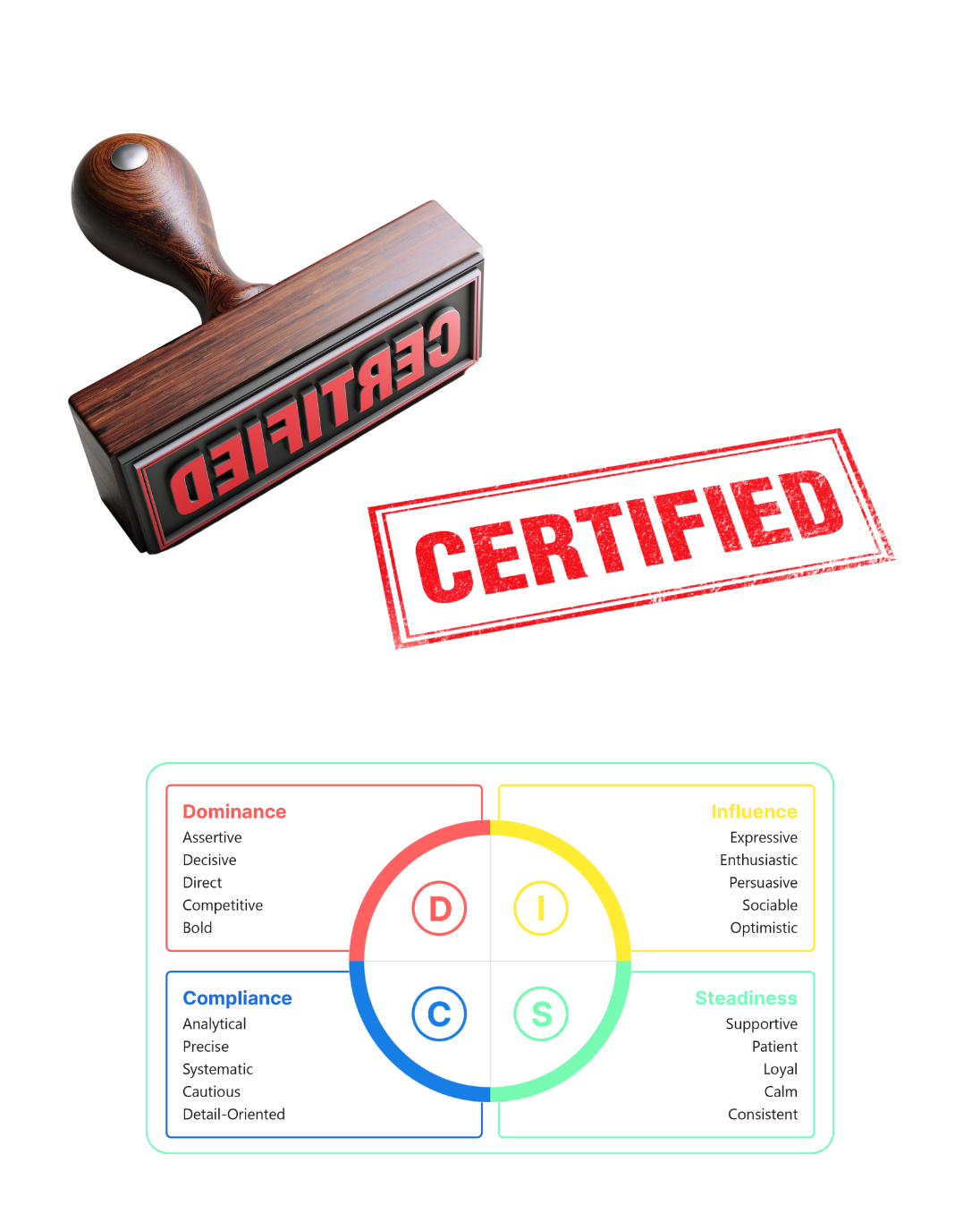
Strip the theory out and the loop is almost mundane, which is precisely its virtue. A manager — call her the D-lead from our earlier piece — has Monday’s planning meeting on the calendar. Sunday evening or Monday morning, a two-minute consult with her pattern in view: this meeting has the conditions where her pace flattens the room; the C on the team will need his risks heard before he can commit. The meeting happens. She catches herself once, misses herself once.
Friday, five minutes of reflection against a prompt built from her profile: where did the pressure pattern show up this week, and what happened the time you caught it? The answer is Monday’s meeting, with names attached. The catch gets reinforced; the miss gets noticed — which is how it becomes a catch next time. Repeat weekly, and by the end of a quarter the noticing has moved from effortful to automatic on her most expensive default. Total time invested: perhaps half an hour a month. That is the entire mechanism. It is not impressive to describe, and it outperforms every impressive-sounding alternative, because it is the only one that runs on her actual weeks.
It scales socially, too. A leader who reflects visibly — who says “I went too fast on Tuesday, tell me earlier next time” — licenses the same practice across a team, and a team that reflects together, even briefly, is running the loop on its collective patterns. The shared language a team workshop installs is exactly what those conversations run on.
Building the loop: Moments
That shape is exactly what Moments is — the reflection habit inside FlowConnect that we introduced in July. A few minutes, on a rhythm that fits a real week; prompts grounded in your own Discflow profile, so the question is about your pressure pattern, your blindspot, your style’s known collision points; and reflections that accumulate, so what emerges over a month is not a diary but a picture — where your defaults actually showed up, and what happened when you caught them.
Paired with the other half of FlowConnect — insight available in the flow of work, in the thirty seconds before the difficult conversation — it closes the full loop: prepare with your pattern in view, act, reflect on what happened, and carry the sharper noticing into the next moment. The assessment supplies the map. The loop is what makes anyone a better driver.
Five minutes, defended
If the argument lands, the implication for any manager is almost embarrassingly modest: the highest-return development practice available to you is a few defended minutes of structured, profile-grounded reflection each week. It will outperform the training you have forgotten, because it is built from the week you actually had.
See how FlowConnect works — the application layer, and the reflection loop inside it.