
Mastering the D Personality: Effective Ways to Work with Them in the Office
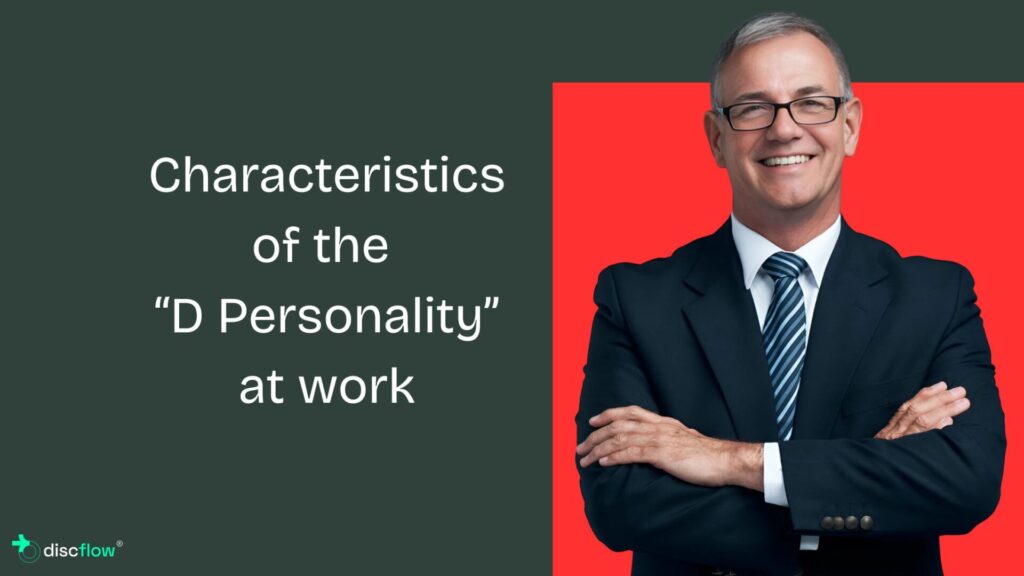
If you work with someone who embodies the Dominance (D) personality type from the DISC model, you might notice their bold, results-driven approach. But what does this mean for collaborating with them in the workplace? Understanding the D personality can transform how you work together, whether you’re a leader, co-worker, or team member. At Discflow, […]
Top 6 Myths About DISC and Personality Profiling – Debunked by Discflow

With countless myths and misconceptions about DISC and personality profiling tools online, it’s no surprise people are confused. Don’t worry—we’ve created this guide to debunk the most common myths about DISC and help you understand its true value. A Brief History of DISC The DISC model was first proposed by psychologist William Moulton Marston in […]
Resolving Conflict in the Workplace with DISC

Workplace conflict is inevitable; with so many different personalities, ambitions, and behaviours clashing against each other conflict will always arise at some point or other. In one report, 26% of employees said that conflict was ‘prominent’ in their workplace. Of course, there’s nothing wrong with productive conflict within a team. In fact, it can be […]
Why Team Managers Should Become DISC Certified

There are many ways to use DISC in your organisation, from assessments to workshops and training days. However, one of the best ways to get the most value out of DISC profiling is to nominate internal champions to undergo a certification in DISC and embed it effectively in your organisation. While it’s often an HR […]
Improving Customer Communication with DISC

When we talk about how DISC can improve communication, we usually discuss communication within the workplace – between team members or with managers, for example. However, while DISC can be an invaluable tool for improving communication between employees, it also has its benefits for communicating with customers. For anyone working in sales, customer service, or […]
Which DISC Profile is Best for Communication?

If you’ve been around here a while, you’ll probably have guessed our answer to this question already. The truth is, no DISC style is better for communication than others. No matter whether you’re a chatty Influence type, an agreeable Steadiness type, an assertive Dominance type, or a measured Compliance type, there’s no single style that […]
Unify your company culture with DISC

Updated November 23, 2022 With 77% of people stating that they would consider an organisation’s company culture before applying to a job, and a toxic company culture being the top reason many people recently left their jobs, company culture is more important than ever. Yet, the culture in a company is hard to define and […]
Strengths and Limitations of the Compliance style (C)

This week’s DISC behavioural style focuses on the Compliance (C) style. By understanding the strengths, limitations, and behavioural preferences of each DISC profile, you can communicate more effectively, reduce friction, and build stronger working relationships across your team. What Is the Compliance (C) Personality Type? Compliance is one of the four behavioural styles identified by […]
Strengths And Limitations of the Steadiness Style (S)

This DISC behavioural style tip from The DISC Group is all about people with the S style – the Steadiness style. Here are the strengths, limitations, behaviours, and growth opportunities of individuals with the DISC Steadiness style. About the Steadiness personality style Steadiness is one of the DISC profiles inspired by William Moulton Marston’s 1928 […]
Strengths and Limitations of the I Style

This DISC behavioural style tip from The DISC Group is all about people with the I Style – the Influence style. Get the best from your meetings and conversations by understanding your colleagues’ behavioural preferences and priorities using the DISC assessment. About the Influence DISC profile Inspired by DISC theory put forward by William Moulton […]